About the Program

This comprehensive training program, designed for you by leading EoE experts, has been developed to address barriers in patient assessment, diagnosis, staging and follow-up monitoring in community-based health systems. Ideal for multi-disciplinary teams, a clinician in any specialty is eligible to sign up to be considered for selection as a trainer.

Why Become an ASGE EoE Trainer?

Make a Meaningful Impact: You have the power to help us transform the lives of countless patients by accelerating the diagnosis and treatment of EoE.

Join a Community of Trainers: Connect with like-minded professionals who are dedicated to advancing the understanding and management of EoE.

Professional Development: Enhance your EoE knowledge, extend your presentation skills, become a local EoE resource, and expand your professional network while contributing to optimal EoE care throughout your medical community.

What We Offer

Expertly Crafted Content: Benefit from meticulously curated topics developed by leading experts in EoE research and treatment.

Comprehensive Support: Receive comprehensive support every step of the way to ensure your success as a speaker.

Recognition and Visibility: Gain recognition as a thought leader in the field of EoE and be recognized on the ASGE website.

Expert Steering Committee

Chairs

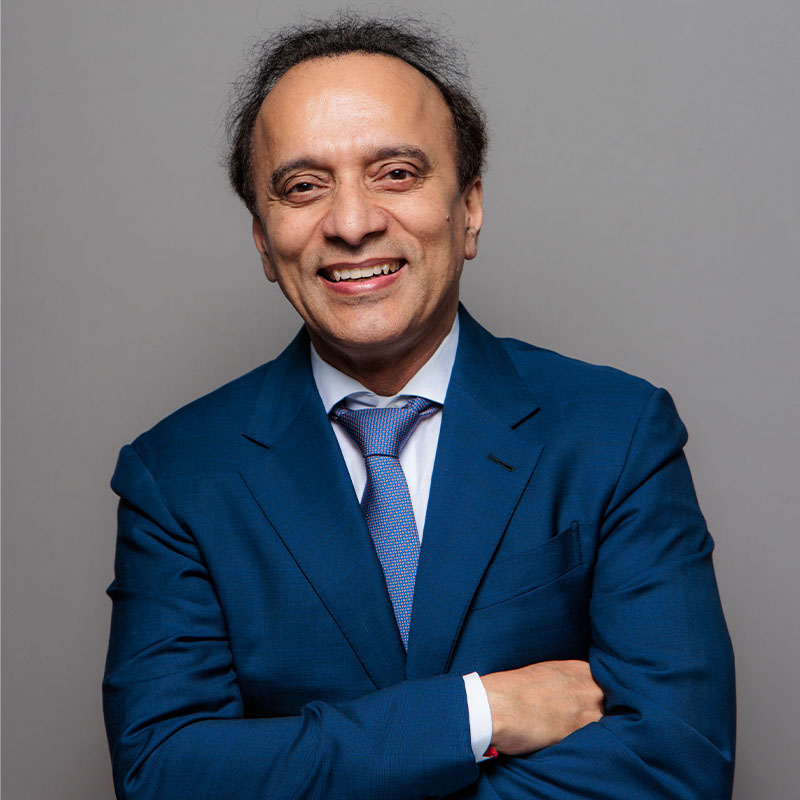
Prateek Sharma, MD, MASGE

University of Kansas School of Medicine
Kansas City, KS
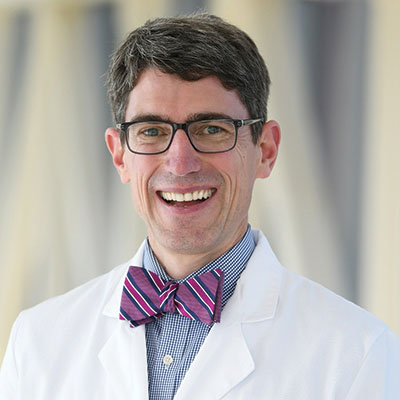
William Tierney, MD, FASGE

University of Oklahoma Health Sciences Center
Oklahoma City, OK


Committee Members

W. Scott Bohlke, MD, Bohler Family Practice, Brooklet, GA
Bethany Doerfler, MS, RDN, Northwestern Medicine, Chicago, IL
Nirmala Gonsalves, MD, Northwestern Medicine, Chicago, IL
David Katzka, MD, Columbia University, New York, NY
Sarah Kosinski, NP, Rush University Medical Center, Chicago, IL
Jenifer Lightdale, MD, MPH, Boston Children’s Hospital, Boston, MA
Kristle Lynch, MD, Penn Medicine, Philadelphia, PA
Amanda Muir, MD, MTR, Children’s Hospital of Philadelphia, Philadelphia, PA
Ilche Nonevski, MD, Rockford Gastroenterology Associates, Rockford, IL
Sravanthi Parasa, MD, FASGE, Swedish Health Services, Seattle, WA
Safia Salaria, MD, Cleveland Clinic, Cleveland, OH
Sachin Srinivasan, MD, University of Kansas Medical Center, Kansas City, KS

Phase 1 Steering Committee members also included Seema S. Aceves, MD, PhD, Rady Children’s Hospital, San Diego, CA; John O. Clarke, MD, FASGE, Stanford Medicine, Palo Alto, CA; Cristin Colford, MD, FACP, UNC Health, Chapel Hill, TN; Evan Dellon, MD, MPH, UNC Health, Chapel Hill, NC; Gary Falk, MD, MS (Advisor), Penn Medicine, Philadelphia, PA; Kim Kearns, MS, APN-BC, Duly Health, Hoffman Estates, IL; Adesola Oje, MD, Vanderbilt University Medical Center, Nashville, TN

What’s Covered in the Training?
  • Epidemiology
  • Pathophysiology
  • Patient Presentation
  • Differential Diagnosis
  • Histologic Diagnosis
  • Patient Management
  • Nutritional Interventions
  • Shared Decision-making
  • Multidisciplinary Care
  • Public Awareness
  • Endoscopic Diagnosis and Therapy
  • Reimbursement and Practice Operations
Who Should Participate in the Training?
  • Gastroenterologists
  • Gastroenterology Fellows
  • Internal Medicine Residents
  • Primary Care Physicians
  • Family Care Physicians
  • Advanced Practice Providers
  • Registered Dieticians/Nutritionists
  • Pediatricians
  • Emergency Department Physicians
  • Pathologists
  • Psychologists and Social Workers
  • Allergists and Immunologists

Please note that this program is limited to the US.

Top 5 Reasons to Sign Up Today

Historically, patients with EoE have waited up to 10 years for an accurate diagnosis, causing them and their families to suffer physically, mentally, socially, and financially.

EoE incidence and prevalence are growing at rates that outpace increased disease recognition.

Patients with EoE may display a wide range of motility disorders, exhibiting possible disease-specific manometric pressurization patterns that are challenging to approach.

Fibrostenosing disease and narrow-caliber esophagus, defined as the inability to pass a standard-caliber adult endoscope, are among the most severe adverse events of EoE.

EoE is a disease increasingly being encountered in the gastroenterology clinics, endoscopy suites, hospital emergency rooms, primary care clinics, pediatric clinics, and allergist offices.

SIGN UP FOR MORE DETAILS NOW!

Click the “Sign Up Now” button to  get on the list and gain access to this program. The program Steering Committee and ASGE’s Education Department will select the individuals who will become EoE trainers.

Sign Up Now

Don’t miss this opportunity to be at the forefront of driving change in the management of Eosinophilic Esophagitis. Together, we can make a difference.

Phase 1 Supporter Acknowledgement

ASGE is grateful for the support it received from Sanofi, Regeneron, Olympus and FUJIFILM for the first phase of the EoE Training of Trainers educational initiative.

Regeneron
Olympus

Phase 2 Supporter Acknowledgement

ASGE is grateful for the support it is receiving from Sanofi and Regeneron for the second phase of the EoE Train the Trainers educational initiative.

Regeneron