Simulation-based training is an important mechanism for safely teaching novice physicians how to perform medical procedures. However, there is a paucity of data on how to incorporate simulation-based learning into ERCP and whether it can truly accelerate trainees’ attainment of competency.
The authors conducted a multicenter randomized controlled trial of 16 trainees without ERCP experience. Control and simulation groups received standard hands-on training under the supervision of their local ERCP trainers. The simulation group received concurrent simulation training during their first 3 months of ERCP training. Simulation training consisted of 2 days of training once a month utilizing an animal model (chicken heart fashioned to behave as a papilla) inside a training box. Trainee performance was assessed after each procedure using the validated TEESAT tool, which measures performance on various technical and cognitive ERCP skills over the first year of training.
There was no difference in global overall competence between the groups. However, the native biliary cannulation rate was significantly higher for the simulation group (52% vs 42%). Similarly, the simulation trainees had faster biliary cannulation time (6 minutes vs 8 minutes) and sphincterotomy competency.
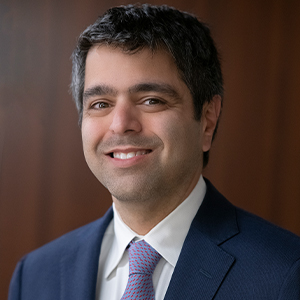
Rajesh N. Keswani, MD, MS
Bio and Disclosures
Teles de Campos S, Boškoski I, Voiosu T, et al. Fast-tracking ERCP learning with the Boškoski-Costamagna Trainer: results of a multicenter randomized clinical trial.
Endoscopy 2024 Nov 14. (Epub ahead of print) (
https://doi.org/10.1055/a-2443-6582)